
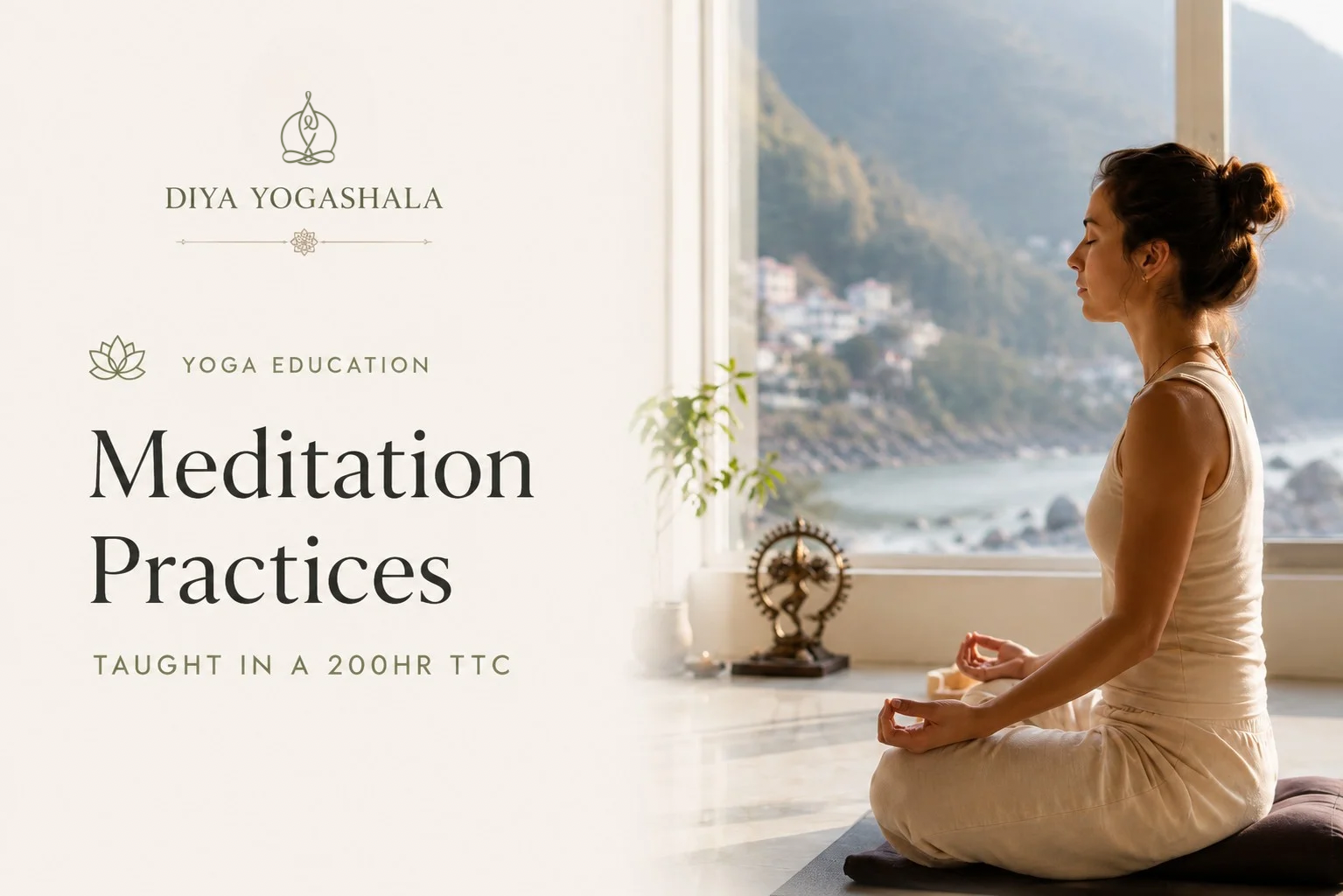
When students begin their journey into a 200-hour yoga teacher training course, they often focus on learning asanas, alignment, and teaching techniques. However, yoga extends far beyond physical postures. Meditation is one of the most important aspects of yogic practice, helping students develop awareness, concentration, emotional balance, and inner connection.
A well-structured 200HR TTC introduces students to different meditation practices that support both personal growth and their ability to guide others. Understanding these techniques helps aspiring yoga teachers create a deeper and more meaningful practice.
The Role of Meditation in a 200HR Yoga Teacher Training
Meditation is an essential part of traditional yoga philosophy. While asanas prepare the body, meditation trains the mind and creates a state of inner awareness.
During a 200-hour yoga teacher training, students learn that meditation is not simply about sitting silently. It is a practice of observing thoughts, developing focus, regulating emotions, and cultivating a deeper understanding of oneself.
Through consistent meditation practice, TTC students learn to bring mindfulness into their daily lives and develop the qualities needed to become compassionate and balanced yoga teachers.
Mindfulness Meditation
Mindfulness meditation is one of the foundational practices introduced during many yoga teacher training programs.
This practice focuses on developing awareness of the present moment without judgment. Students learn to observe their breath, sensations, thoughts, and emotions without becoming attached to them.
For future yoga teachers, mindfulness meditation helps develop better observation skills, patience, and a calm presence while guiding students.
Breath Awareness Meditation
Breath awareness meditation is closely connected with yogic breathing practices. It involves focusing attention on the natural rhythm of the breath and understanding its connection with the body and mind.
During a 200HR TTC, students explore how conscious breathing can calm the nervous system, improve concentration, and create a sense of stability.
This practice also supports pranayama training by helping students develop greater control and awareness of their breath.
Mantra Meditation
Mantra meditation uses the repetition of sacred sounds or phrases to focus the mind and create a meditative state.
In traditional yoga, mantras are considered powerful tools for concentration and inner transformation. Students in a 200-hour teacher training may learn the meaning behind different mantras and how they are used in yogic practices.
Regular mantra meditation can help develop mental clarity, focus, and a deeper connection with yogic traditions.
Guided Meditation
Guided meditation involves following verbal instructions that lead practitioners through visualization, relaxation, or awareness-based techniques.
This practice is especially valuable for aspiring yoga teachers because it teaches them how to create a supportive meditation experience for their future students.
Through guided meditation practice, TTC students learn the importance of voice, pacing, intention, and creating a peaceful environment.
Chakra Meditation
Chakra meditation is based on the concept of energy centers within the body described in traditional yogic teachings.
During this practice, students learn techniques involving awareness, visualization, and focus on different chakras to encourage balance and self-awareness.
Many yoga teacher training programs introduce chakra meditation as a way to explore the connection between physical, emotional, and energetic well-being.
Yoga Nidra (Yogic Sleep)
Yoga Nidra is a deep relaxation and awareness practice often included in 200HR yoga teacher training courses.
Unlike regular sleep, Yoga Nidra allows practitioners to remain aware while entering a deeply relaxed state. It is practiced through guided instructions involving body awareness, breath observation, and visualization.
This practice helps students understand the importance of rest, recovery, and nervous system balance within the yogic lifestyle.
How Meditation Supports Future Yoga Teachers
Meditation plays an important role in shaping the qualities of an effective yoga teacher. Through regular practice, students develop:
Better Self-Awareness
Meditation encourages students to understand their thoughts, emotions, and patterns, helping them grow both personally and professionally.
Improved Focus and Presence
A teacher who practices meditation can create a more grounded and mindful experience for students.
Emotional Balance
Meditation helps develop patience, compassion, and the ability to respond calmly in different situations.
Deeper Understanding of Yoga Philosophy
Meditation connects students with the traditional roots of yoga and helps them experience the teachings beyond physical practice.
Why Meditation Is an Essential Part of a 200HR TTC
A 200-hour yoga teacher training is not only about learning how to teach postures. It is a journey of personal transformation, self-discovery, and deeper awareness.
Meditation allows students to experience yoga as a complete practice that integrates body, breath, mind, and consciousness. By exploring different meditation techniques, students gain the confidence and understanding needed to guide others on their own yoga journeys.
Choosing the Right Teacher Training Program
The quality of meditation training depends greatly on the approach and guidance provided by the yoga school. A balanced program introduces students to traditional meditation practices while also helping them understand practical ways to incorporate these techniques into modern teaching.
At Diya Yogashala, students experience meditation as an essential part of their 200HR yoga teacher training journey. Through traditional practices, guided sessions, and practical teaching methods, students learn how meditation can transform their personal practice and help them become more mindful and authentic yoga teachers. Whether you are beginning your yoga journey or preparing to teach others, meditation remains one of the most powerful tools for creating a deeper connection with yourself and the true essence of yoga.